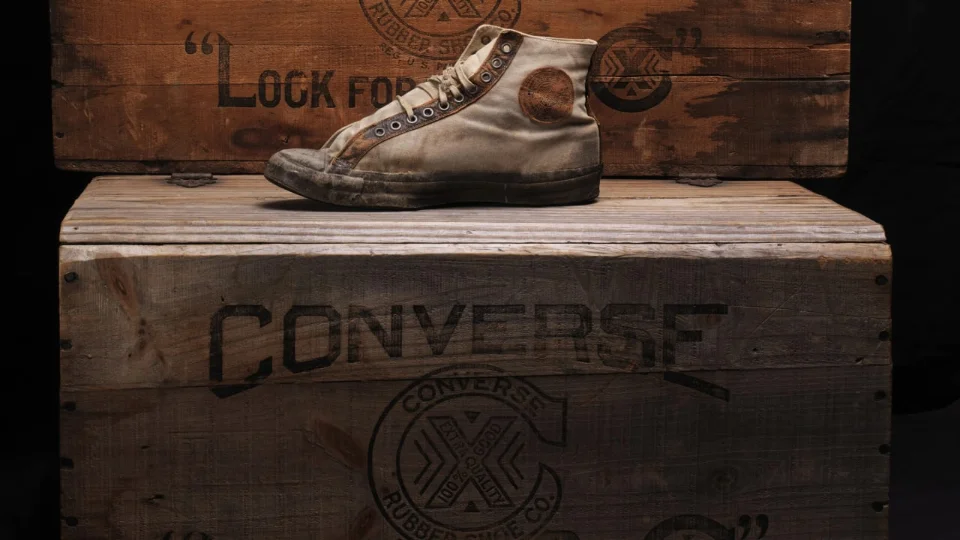
品牌史志2026/06/02 08:07:16Converse: The Rubber Boot Company Whose Salesman Became the ProductIn 1908, a former footwear factory manager opened a rubber boot company in Massachusetts to avoid the industry's monopolies. The seasonal cash-flow problem he solved by adding a basketball shoe in 1917 — and the salesman whose name went on it in 1932 — turned out to be the entire story. This is how a galoshes company went bankrupt, got rebuilt by a walking salesman, went bankrupt again in 2001, and was bought by Nike for $309 million in 2003.
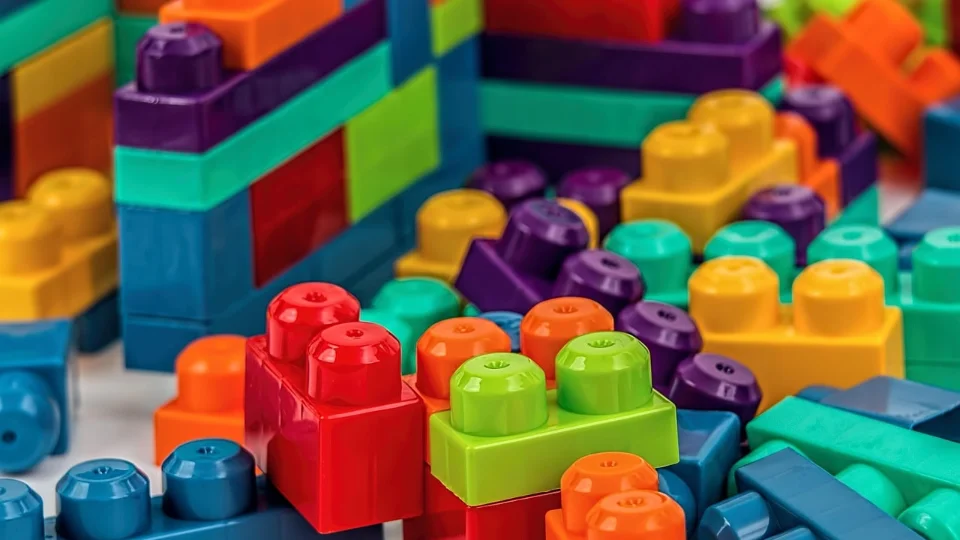
品牌史志2026/06/01 08:28:42LEGO: The Carpenter's Toy That Nearly Went Bankrupt TwiceIn 1932, a Danish carpenter started making wooden toys in Billund to survive the Depression. In 2003, the company he founded was losing $1 million a day and the family had to inject personal capital to avoid collapse. Between those two crises, LEGO patented an interlocking brick system in 1958 that hasn't fundamentally changed since, introduced the minifigure, opened theme parks, and became the world's top toy company. Then it overexpanded into clothing, action figures, and video games, almost destroyed itself, and built back by firing half its product lines and appointing the first non-family CEO in 70 years. In 2025, revenue hit $13 billion.
品牌史志2026/05/31 08:04:37Heinz: The Brand That Went Bankrupt, Chose Glass, and Wrote a LawIn 1875, Henry Heinz went bankrupt selling horseradish. When he rebuilt, the first decision he made was to use clear glass bottles instead of brown ones — so consumers could see what they were buying. That single choice set the logic for everything that followed: lobbying for the Pure Food and Drug Act of 1906 to force competitors to match his standards, coining the '57 Varieties' slogan when the company actually made more than 60, and building a Pittsburgh headquarters with a rooftop garden and lunchtime pipe organ concerts. 140 years later, Berkshire Hathaway and 3G Capital paid $23 billion for the company and immediately began cutting costs. In 2019, they took a $15.4 billion writedown and discovered that the brand they had bought required investment to maintain — and that they had not maintained it.